Product certification

BIS Certification for Footwear (ISI Mark)

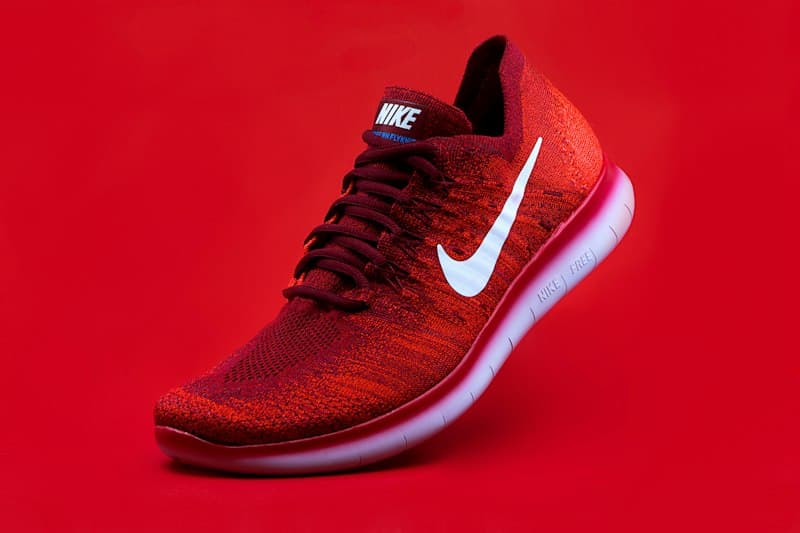
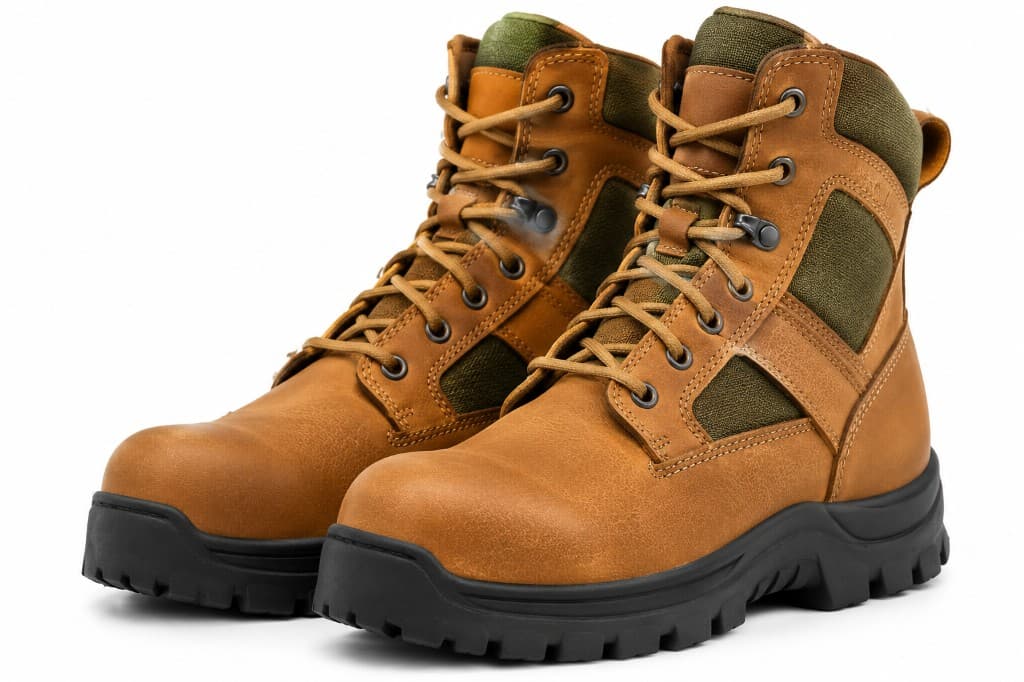
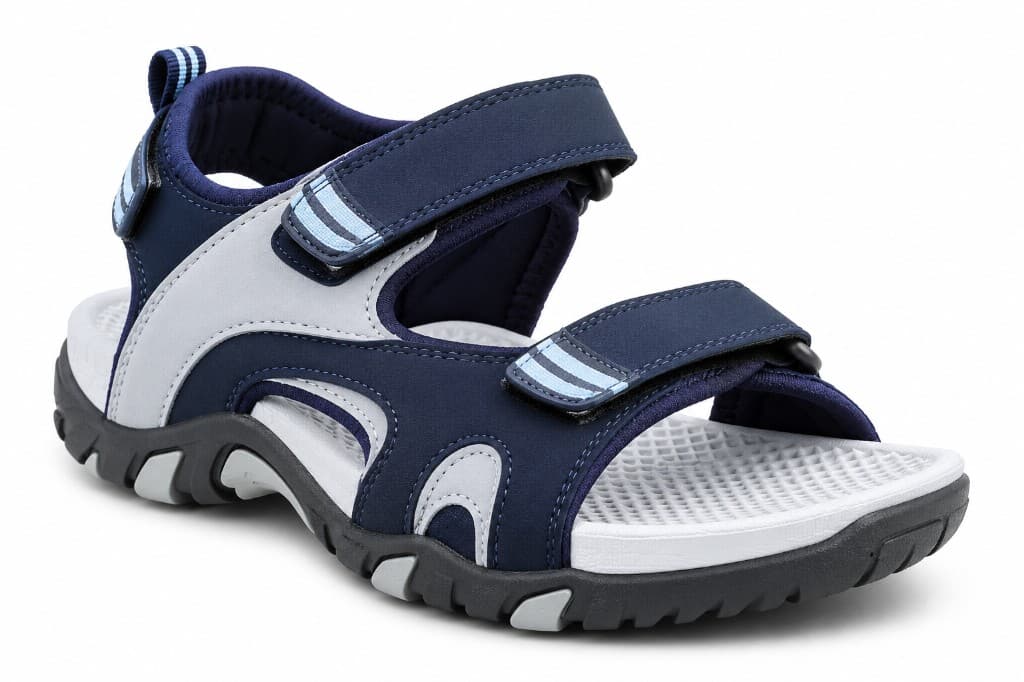
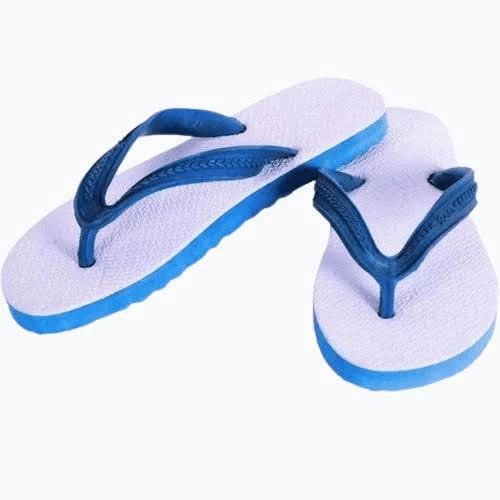
Selling shoes, slippers, sandals, safety boots or sports footwear in India now needs more than a good product. Most footwear categories are covered by mandatory Quality Control Orders, so they must carry the ISI Mark under a valid BIS licence before they can be made, imported, stocked or sold.

1 Aug 2024
Mandatory from
3 QCOs
Leather, rubber/polymeric & PPE
27+ products
Listed under current orders
BIS certified footwear for the Indian market

Safe Footwear. Stronger Tomorrow.

Overview

BIS Certification for Footwear in India: ISI Mark

Ornate Quality Services Pvt. Ltd. helps manufacturers, importers and brand owners get BIS certification for footwear in India with clear guidance, complete documentation and support at every stage.

  • Support for leather, rubber, polymeric and PPE footwear covered under the footwear QCO
  • Help choosing the right Indian Standard for each footwear type
  • Documentation, Manakonline application filing and footwear BIS audit preparation
  • In-house lab planning and testing coordination
  • FMCS support for foreign footwear manufacturers through an Authorised Indian Representative
  • Clear guidance on the June 2026 footwear QCO amendment and the legacy stock deadline
Read More About Footwear QCO →

Product categories

Footwear Products Covered Under QCO

The following types of footwear are commonly covered. Confirm the exact standard for your product.

Key ideas

What Is BIS Certification for Footwear?

BIS certification for footwear is the process through which a footwear manufacturer gets a licence from the Bureau of Indian Standards (BIS) to use the ISI Mark on its products. The ISI Mark, also called the BIS Standard Mark, shows that the footwear conforms to the relevant Indian Standard.

Licence

Legal permission granted to a specific factory to manufacture covered footwear to the Indian Standard.

ISI Mark

The visible Standard Mark applied on every covered pair after the licence is granted.

CM/L Number

The unique licence number printed with the mark so the product can be traced to the licensed factory.

How to Get BIS Certification for Footwear?

The certification process involves both product testing and factory inspection.

01

Identify Product

Confirm the QCO and Indian Standard

02

Prepare Factory

Production line, lab and quality plan

03

File Application

Manakonline filing and fee payment

04

Factory Inspection

BIS officer checks production

05

Sample Testing

Testing at a BIS-recognised lab

06

Grant of Licence

ISI mark and CM/L number issued

Footwear certified for the Indian market

Benefits of BIS Certification for Footwear

Get Expert Consultation

Legal market access

Covered footwear without the ISI Mark cannot be legally sold or imported.

Smooth imports

Customs checks the ISI Mark and licence details for covered products.

Retail listings

Retailers and marketplaces ask for the BIS licence number before listing.

Consumer trust

The ISI mark on shoes tells buyers the product is made under a monitored system.

What the licence, ISI mark and CM/L number mean

In simple words, the ISI mark for footwear is proof that a specific product, made at a specific factory, has been checked against a published Indian Standard. BIS checks the factory, the production process, the testing setup and the product samples before it grants the licence. After the licence is granted, the manufacturer marks every covered pair with the ISI Mark and the licence number, also called the CM/L number. This is why many people call it a footwear CM/L licence.

Footwear certification in India falls under the BIS Product Certification Scheme-I, which works under the BIS Act 2016 and the BIS Conformity Assessment Regulations 2018. If you see the term "BIS Scheme 1 footwear", it refers to this same product certification route.

People use many names for the same thing: BIS licence for footwear, BIS license for footwear, footwear BIS license, BIS certificate for footwear, BIS registration for footwear, footwear BIS registration, footwear ISI licence, ISI certification for footwear, ISI mark certification for footwear, or simply BIS for footwear. For shoes in particular, buyers ask for a BIS license for shoes, a BIS licence for shoes, an ISI licence for shoes, BIS certification for shoes or the ISI mark for shoes. Technically, what you receive is a BIS licence that allows you to apply the Standard Mark, so the BIS mark on footwear is always linked to a licensed factory.

BIS certification footwear meaning in one line: it is the government-backed confirmation that your footwear meets the Indian Standard and may carry the footwear ISI mark.

Who issues BIS certificate for footwear? The licence is issued by the Bureau of Indian Standards, India's national standards body. The Quality Control Orders that make certification compulsory are issued by the Department for Promotion of Industry and Internal Trade (DPIIT) under the Ministry of Commerce and Industry.
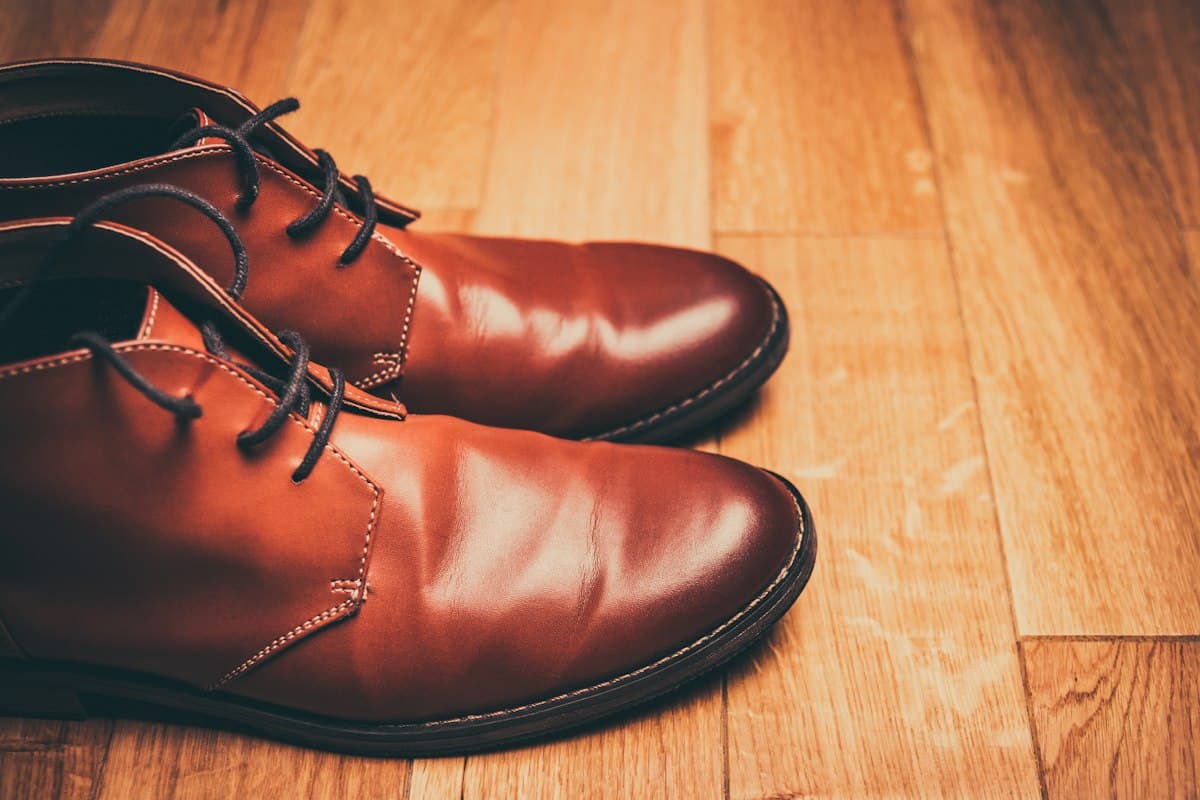
Leather footwear for the Indian market

The ISI Mark on footwear is always linked to a licensed factory.

What Is Footwear QCO?

A Quality Control Order (QCO) is a government order that makes an Indian Standard compulsory for a product. Footwear QCO meaning, in practice: once the order is in force, the product cannot be manufactured, imported, sold, distributed or stocked without the ISI Mark, unless a specific exemption applies.

So mandatory BIS certification for footwear is not a voluntary quality badge. It is a legal condition for market access. That is why footwear compliance in India is now a boardroom topic for brands, importers and large retailers, and why BIS certification for footwear manufacturers is usually the first compliance project in a new product launch.

Why BIS Certification for Footwear Is Important

The importance of BIS certification for footwear goes beyond meeting a rule. It decides whether your goods can move, sell and stay on the shelf. Here is why BIS certification for footwear matters for different businesses.

  • Legal market access. Under the footwear quality control order, covered footwear without the ISI Mark cannot be legally sold or imported. A valid licence protects your supply chain from seizures, delays and stock that cannot be sold.
  • Smooth imports. Customs checks the ISI Mark and licence details for covered products. Without them, a consignment can be held. This is a common reason for a footwear shipment stuck at customs BIS checks.
  • Retail and marketplace listings. Large retailers and online marketplaces increasingly ask sellers for the BIS licence number before they list or buy covered footwear.
  • Government and institutional supply. Safety shoes, service shoes, tactical boots and similar products for government buyers are expected to meet the relevant Indian Standard. A BIS licence strengthens your bids.
  • Consumer trust. The ISI mark on shoes tells buyers that the product has been made under a monitored quality system.
  • Better process control. Preparing for footwear quality certification in India pushes factories to set up testing, record-keeping and process controls. Many manufacturers find this reduces rejections and returns.

These benefits of BIS certification for footwear apply whether you make one product or a full range.

Footwear QCOs and Products Covered

India regulates footwear through three Quality Control Orders. Knowing which order covers your product is the first step, because the order decides the applicable Indian Standard, the tests and the documents. Together, these orders form the footwear QCO list that every manufacturer and importer should know.

1. Footwear made from Leather and other Materials (Quality Control) Order, 2024

This leather footwear QCO was notified by DPIIT as S.O. 1421(E) dated 15 March 2024 and came into force on 1 August 2024. It covers 12 product entries, including leather safety boots and shoes, canvas shoes and boots with rubber soles, sports footwear, tactical boots, anti-riot shoes, shoes for services and shoes for general purpose. If you need BIS certification for leather footwear or BIS certification for leather shoes, this is your order.

2. Footwear made from All Rubber and All Polymeric Material and its Components (Quality Control) Order, 2024

This rubber footwear QCO, also called the polymeric footwear QCO or the non leather footwear QCO, was notified as S.O. 1422(E) dated 15 March 2024 and also came into force on 1 August 2024. It covers 12 products, including sandals and slippers, Hawai chappals, gum boots, PVC industrial boots, and footwear components such as outsoles and microcellular rubber sheets. BIS certification for rubber footwear, BIS certification for PVC footwear, BIS certification for polymeric footwear and BIS certification for non leather footwear all fall under this order.

3. Personal Protective Equipment – Footwear (Quality Control) Amendment Order, 2021

This PPE footwear QCO covers safety, protective and occupational footwear under IS 15298 (Parts 2, 3 and 4). BIS certification for PPE footwear and BIS certification for industrial footwear used for worker protection usually start here.

Together, the footwear QCO 2024 orders (S.O. 1421(E) and 1422(E)) and the PPE order are what people mean when they search for the footwear quality control order 2024. The footwear QCO implementation date for both 2024 orders, which is also the footwear QCO effective date, is 1 August 2024.

The 2024 orders replaced the 2022 footwear QCOs, which had come into effect on 1 July 2023. The first footwear QCOs were notified in 2020, and the scope and dates have been revised several times since. Older articles that mention "24 footwear products QCO" or "27 footwear products under BIS" usually refer to those earlier phases. Always work from the current orders.

Note: Two standards were revised in 2023. Hawai chappals are now covered by IS 10702:2023 and sandals and slippers by IS 6721:2023. The revised standards also cover chappals and slippers made from polymers such as EVA, TPR, PU and TPU, not only rubber or PVC. If your current test reports refer to IS 10702:1992, IS 6721:1972 or IS 11544:1986, check with BIS whether they are still acceptable for your application.

Comparing the Three Footwear QCOs

PointLeather & Other Materials QCO 2024All Rubber & Polymeric QCO 2024PPE Footwear QCO
Gazette referenceS.O. 1421(E), 15 March 2024S.O. 1422(E), 15 March 2024PPE – Footwear (QC) Amendment Order, 2021
In force from1 August 20241 August 20241 June 2022 (as per Council for Leather Exports)
Typical productsLeather safety shoes, canvas shoes, sports shoes, tactical boots, service shoesSlippers, sandals, Hawai chappals, gum boots, PVC boots, soles and sheetsSafety, protective and occupational footwear
Covers components?NoYes – outsoles and microcellular sheetsNo
Main standardsIS 1989, IS 3735, IS 15844, IS 17043 and othersIS 6721, IS 10702, IS 5557, IS 12254 and othersIS 15298 (Parts 2, 3, 4)

Products Covered Under the Footwear QCOs

How many footwear products under QCO? The current orders list 12 leather and other material entries, 12 rubber and polymeric products and 3 PPE footwear parts. The tables below show every one of these footwear products under mandatory BIS certification, with the applicable footwear Indian standards. Product names follow the wording used in the orders. This is the full list of footwear under BIS mandatory certification today, and it doubles as a footwear Indian standard list and footwear IS codes list.

Footwear made from Leather and other Materials (Quality Control) Order, 2024

Product NameApplicable Indian StandardCertification MandatoryTarget AudienceDedicated Product Page
Leather Safety Boots and Shoes (for miners; for heavy metal industries)IS 1989 (Part 1):1986; IS 1989 (Part 2):1986Yes – under the QCOManufacturer / Importer / Brand OwnerComing Soon
Canvas Shoes, Rubber SoleIS 3735Yes – under the QCOManufacturer / Importer / Brand OwnerComing Soon
Canvas Boots, Rubber SoleIS 3736Yes – under the QCOManufacturer / Importer / Brand OwnerComing Soon
Safety Rubber Canvas Boots for MinersIS 3976Yes – under the QCOManufacturer / ImporterComing Soon
Leather Safety Footwear having Direct Moulded Rubber SoleIS 11226Yes – under the QCOManufacturer / ImporterComing Soon
Leather Safety and Protective Footwear with Direct Moulded Polymeric SoleIS 14544Yes – under the QCOManufacturer / ImporterComing Soon
Sports Footwear (Part 1 General Purpose; Part 2 Performance; Part 3 Professional)IS 15844 (Part 1):2023; IS 15844 (Part 2):2023; IS 15844 (Part 3)Yes – under the QCOManufacturer / Importer / Brand OwnerComing Soon
High Ankle Tactical Boots with PU-Rubber SoleIS 17012Yes – under the QCOManufacturer / ImporterComing Soon
Anti-riot ShoesIS 17037Yes – under the QCOManufacturer / ImporterComing Soon
Shoes for ServicesIS 17043 (Part 1)Yes – under the QCOManufacturer / Importer / Brand OwnerComing Soon
Shoes for General PurposeIS 17043 (Part 2)Yes – under the QCOManufacturer / Importer / Brand OwnerComing Soon

Footwear made from All Rubber and All Polymeric Material and its Components (Quality Control) Order, 2024

Product NameApplicable Indian StandardCertification MandatoryTarget AudienceDedicated Product Page
Industrial and Protective Rubber Knee and Ankle BootsIS 5557Yes – under the QCOManufacturer / ImporterComing Soon
All Rubber Gum Boots and Ankle BootsIS 5557 (Part 2)Yes – under the QCOManufacturer / Importer / Brand OwnerComing Soon
Moulded Rubber OutsolesIS 5676Yes – under the QCOManufacturer / ImporterComing Soon
Microcellular Rubber Sheets for OutsolesIS 6664Yes – under the QCOManufacturer / ImporterComing Soon
Moulded PVC OutsolesIS 6719Yes – under the QCOManufacturer / ImporterComing Soon
Sandal and SlippersIS 6721Yes – under the QCOManufacturer / Importer / Brand OwnerComing Soon
Hawai ChappalIS 10702Yes – under the QCOManufacturer / Importer / Brand OwnerComing Soon
Polyvinyl Chloride (PVC) Industrial BootsIS 12254Yes – under the QCOManufacturer / ImporterComing Soon
Polyurethane OutsolesIS 13893Yes – under the QCOManufacturer / ImporterComing Soon
Unlined Moulded Rubber BootsIS 13995Yes – under the QCOManufacturer / ImporterComing Soon
Moulded Plastics Footwear - Lined or Unlined Polyurethane Boots for General Industrial UseIS 16645Yes – under the QCOManufacturer / ImporterComing Soon
Footwear for Men and Women for Municipal Scavenging WorkIS 16994Yes – under the QCOManufacturer / ImporterComing Soon

Personal Protective Equipment – Footwear (Quality Control) Amendment Order, 2021

Product NameApplicable Indian StandardCertification MandatoryTarget AudienceDedicated Product Page
Personal Protective Equipment - Part 2 Safety FootwearIS 15298 (Part 2)Yes – under the QCOManufacturer / Importer / Brand OwnerComing Soon
Personal Protective Equipment - Part 3 Protective FootwearIS 15298 (Part 3)Yes – under the QCOManufacturer / ImporterComing Soon
Personal Protective Equipment - Part 4 Occupational FootwearIS 15298 (Part 4)Yes – under the QCOManufacturer / ImporterComing Soon

Note: This list is compiled from the notified footwear QCOs and the product list published by the Council for Leather Exports. QCOs and Indian Standards are amended from time to time. Before you apply, confirm the current status of your exact product on bis.gov.in.

What About Footwear Not Named in the Tables?

Many common products are not listed by their market name. There is no separate line for sneakers, casual shoes, ladies footwear, kids footwear, school shoes, clogs, flip-flops, bathroom slippers or hotel slippers. Coverage depends on how the product is made and what it is made from, so the BIS footwear standards must be read against your design. Here is how we approach common scope questions.

  • Slippers, chappals and clogs. Is BIS mandatory for slippers? For covered designs, yes. BIS certification for slippers, chappal designs, Hawai chappal, flip flops, bathroom slippers and hotel slippers usually starts with IS 6721 or IS 10702, depending on design and material. A BIS licence for EVA Hawai chappal, TPR slippers, PU slippers and Crocs-type clogs are now common requests, because the revised standards cover polymer footwear. BIS certification for clogs depends on the construction, so the scope must be checked case by case.
  • Sports-style shoes. Is BIS certification required for sports shoes? The starting point is IS 15844, which has three parts for general purpose, performance and professional sports footwear. BIS certification for sneakers, trekking shoes, football shoes and cricket shoes all need a careful scope check against these parts.
  • Leather shoes, casual shoes and school shoes. Is BIS required for leather shoes? For covered types, yes. BIS certification for school shoes, casual shoes, ladies footwear and kids footwear should be checked first against IS 17043 (shoes for services and shoes for general purpose) and the leather safety footwear standards.
  • Uniform and institutional footwear. BIS certified footwear for police and army supply usually relates to shoes for services, high ankle tactical boots and anti-riot shoes. Buyers often search for BIS certification for police shoes and army boots in this context.
  • Industrial and outdoor boots. BIS certification for gumboots for farmers usually relates to IS 5557 (Part 2), while BIS certification for sanitation worker boots relates to IS 16994 and the rubber boot standards.
  • Footwear components. BIS certification for footwear components applies where the component itself is notified, such as moulded rubber outsoles, moulded PVC outsoles, PU outsoles and microcellular rubber sheets. Uppers are a different case: BIS certification for footwear uppers is not a separate entry in the current lists, but the finished shoe still has to meet its standard.

A wrong standard can mean wasted test fees and a rejected application. This is one of the first things our team checks.

Latest Footwear QCO Updates – June 2026 Amendments

The footwear QCOs have been amended several times. The latest footwear QCO update matters for every manufacturer, importer and retailer holding older stock.

Legacy stock deadline extended

In August 2024, the government allowed non-BIS footwear that was already in the market before 1 August 2024 to be sold until 31 July 2026. On 12 June 2026, DPIIT amended both 2024 footwear QCOs through S.O. 3038(E) and S.O. 3037(E). This footwear QCO amendment 2026 extended the legacy stock clearance deadline from 31 July 2026 to 31 July 2027. After 31 July 2027, only BIS-certified footwear can be sold.

R&D sample import exemption

The same amendments allow manufacturers to import up to 4,500 pairs of footwear samples per year for research, design development, testing and other non-commercial purposes without meeting QCO requirements.

  • Each pair must be marked "NOT FOR SALE".
  • The samples cannot be sold commercially.
  • The samples must be disposed of as scrap after use.
  • Records of imported samples must be maintained.

What this means for you

If you hold uncertified stock, plan a clear sell-through before 31 July 2027 and keep records of when the stock was made or imported. This applies to manufacturers, distributors and retailers alike. If you design new products, the R&D import window lets you study global samples without certifying each pair. Neither change removes the need for a BIS licence for regular production or commercial imports.

Note: News reports described the rubber and polymeric footwear amendment differently. Some reported it as extra time for micro and small enterprises (MSEs) in the non-leather footwear segment, while the government press release described it as a legacy stock extension. If you are a micro or small unit, read the exact text of S.O. 3037(E) or speak to our team before relying on any MSE relief.

Footwear QCO for Micro and Small Enterprises

The footwear QCOs have treated micro and small units differently at different points in time. Earlier orders gave MSEs extra time, and the 2024 orders and their amendments carry their own provisions. The current position for your unit depends on your Udyam classification and the exact wording of the order in force.

  1. Keep your Udyam registration current, because BIS checks it when you claim any MSE benefit.
  2. Confirm in writing whether any deadline or exemption still applies to your product.
  3. Start preparing your lab, records and documents now, so you are not rushed when any relief ends.

This also applies to cottage-scale units. Footwear BIS certification for cottage industry clusters is possible when the unit has the required production and testing capability, often supported by common facilities. BIS has also announced fee concessions for certain categories of applicants, including micro units. Check the current BIS fee schedule before you budget.

Who Needs BIS Certification for Footwear?

Anyone who makes, imports or sells covered footwear in India needs to make sure the product carries a valid ISI Mark. The licence itself is granted to the manufacturer for a specific factory.

  • Footwear manufacturers. Any footwear factory in India producing covered footwear needs BIS certification for its products. The licence is tied to that location and covers each product and standard made there.
  • Component makers. BIS certification for shoe sole manufacturers and footwear components manufacturers applies where the component is notified.
  • Foreign manufacturers. Overseas factories need BIS certification under the Foreign Manufacturers Certification Scheme (FMCS).
  • Importers. Import only footwear that carries a valid ISI Mark from a licensed factory.
  • Brand owners and private labels. If your brand is made by a contract manufacturer or a job work unit, the factory holds the licence. Brand name endorsement on that licence is the usual route. A factory can hold a BIS licence with multiple brands.
  • Retailers, traders, distributors and sellers. There is no separate licence. It means buying and selling only ISI-marked covered footwear once the legacy stock window ends.
  • E-commerce sellers. Covered products sold on Amazon, Flipkart or other platforms must carry a valid ISI Mark. The QCO is enforced through the product, not the platform.
  • Government suppliers. BIS certified safety shoes for GeM tenders are often a basic eligibility condition.
  • Exporters. Quality Control Orders usually contain provisions for goods meant only for export. Check the exact exclusion in the order. Certification becomes necessary when the same products are also sold in India.

For brands and sellers, BIS certification support for footwear brands is mostly about choosing the right manufacturing partner and checking their licence scope.

Key Benefits of Getting Your Footwear BIS Licence

  • Compliance with confidence. A valid licence lets you sell covered footwear without legal risk and gives your buyers the documents they ask for.
  • Wider market access. You can sell through retail chains, marketplaces, institutional buyers and government channels that require the ISI Mark.
  • Fewer supply chain shocks. Imports with a valid licence move through customs more smoothly. Domestic stock is safe from seizure for non-compliance.
  • Stronger brand trust. The ISI mark on footwear is widely recognised by Indian buyers as a quality signal.
  • Better product quality. Regular in-house testing and process records help you catch defects early and reduce returns.
  • Room to grow. Once your system is in place, adding new models, sizes or brands to the licence is far simpler than starting from scratch.

Key Features of Our Footwear BIS Certification Services

Our footwear BIS certification services cover every stage, so you get end-to-end support from one team.

  • Product and standard mapping. We match each product to the correct QCO entry and Indian Standard before any money is spent on testing.
  • Gap assessment. We review your factory, machines, lab and records against what BIS checks during inspection.
  • Documentation support. Every document, drawing and record needed for the application.
  • Manakonline application filing. We prepare and file your application on the BIS Manakonline portal and track queries.
  • Lab setup guidance. We help you plan the in-house testing facilities for your product.
  • Testing coordination. We coordinate sample testing at BIS-recognised laboratories.
  • Audit preparation. We prepare your staff for the BIS factory inspection.
  • FMCS and AIR support. We guide foreign manufacturers through FMCS and the Authorised Indian Representative role.
  • Post-licence support. We help with marking, variety addition, renewal and surveillance.

Eligibility for BIS Certification for Footwear

Who qualifies. A manufacturer with a working factory that produces covered footwear can apply. The factory must be able to make the product consistently to the Indian Standard and test it as required.

Who does not qualify directly. Traders, importers and brand owners without their own manufacturing unit cannot hold a Scheme-I licence in their own name. They work through the licensed factory, with brand endorsement where needed.

Basic footwear BIS certification requirements

  • A manufacturing unit with the machinery needed for the product
  • Testing facilities for the tests listed in the Indian Standard and the Scheme of Testing and Inspection (STI)
  • Trained staff for production and testing
  • Calibrated test equipment
  • A documented footwear BIS quality control plan and records
  • For foreign factories, an Authorised Indian Representative in India

Each licence relates to one factory location and the products and standards named in it. A second factory needs its own licence. BIS expects the factory to keep testing and records going after the licence is granted, not only before the audit. These guidelines apply equally to domestic and foreign factories.

Documents Required for BIS Certification for Footwear

BIS publishes its application requirements on Manakonline, and the exact list can change. The table below covers the documents BIS commonly asks for. We share a product-specific checklist once your scope is fixed.

DocumentPurposeMandatory / OptionalAdditional Notes
Footwear BIS licence application form on ManakonlineStarts the licence requestMandatoryFiled online with the applicable fee
Proof of factory address and registrationConfirms the manufacturing locationMandatoryName and address must match across all documents
Identity proof and authorisation of the signatoryConfirms who signs for the applicantMandatoryAuthorised signatory details are checked during scrutiny
Manufacturing process flow chartShows how the footwear is madeMandatoryMust match what the auditor sees on the floor
List of manufacturing machineryShows production capabilityMandatoryInclude make, capacity and quantity
List of test equipment with calibration certificatesShows in-house testing capabilityMandatoryCalibration must be valid at the time of audit
Details of testing personnelShows trained staff for testingMandatoryInclude qualification and experience
Quality control plan and test recordsShows ongoing control of qualityMandatoryBased on the Indian Standard and STI
Test report from a BIS-recognised laboratoryProves product conformityRequired under the simplified procedureUnder the normal procedure, BIS draws samples itself
Trademark or brand authorisationLinks the brand to the licenceIf applicableNeeded for brand name endorsement
Udyam registration certificateSupports MSE statusIf applicableNeeded to claim MSE-related benefits
Authorised Indian Representative documentsRequired for foreign manufacturersIf applicable (FMCS)AIR must be based in India

Note: Requirements may vary depending on the latest official regulatory guidelines. Always check the latest checklist on Manakonline before filing. People often search for a single "BIS footwear form". In practice, there is one online application plus supporting documents.

Step-by-Step BIS Certification Process for Footwear

Here is how to get BIS certification for footwear in practice. The process is the same whether you want to apply for safety shoes, sports shoes, or slippers and soles. What changes is the standard, the tests and the documents.

Step 1 – Identify the product and the Indian Standard

Confirm which QCO covers your product and which Indian Standard applies. Read the standard closely, including marking and testing clauses.

Step 2 – Prepare the factory and the lab

Set up the production line, the testing facilities and the quality control plan. Calibrate all test equipment.

Step 3 – Prepare documents

Collect and check every document in the list above. Small mismatches in names or addresses are a common reason for queries.

Step 4 – Choose the procedure

Under the normal procedure, BIS inspects the factory and draws samples for independent testing. Under the simplified procedure, you submit a test report from a BIS-recognised laboratory with your application, and BIS then verifies the factory.

Step 5 – File the application on Manakonline

Create an account on the Manakonline portal, fill in the application, upload documents and pay the applicable fee. This is the formal start of your filing. There is no paper file to submit.

Step 6 – Scrutiny by BIS

BIS officers review the application and may raise queries. Quick and complete responses keep the process moving.

Step 7 – Factory inspection

An officer checks production, testing, records and staff. You may be asked to show tests being done in your lab. Audit preparation before this visit makes a big difference.

Step 8 – Sample testing

BIS sample testing for footwear is done against the Indian Standard at a BIS or BIS-recognised laboratory, depending on the procedure.

Step 9 – Grant of licence

If the factory and samples meet the requirements, BIS grants the licence. You can then apply the ISI mark, the CM/L number, and download the licence record from your Manakonline account.

Step 10 – Post-licence compliance

Keep testing, keep records, pay the annual fees on time and stay ready for surveillance visits and market sample testing.

After the licence is granted, you can apply for licence scope extension for new footwear models, variety addition or inclusion of new sizes. Adding a new variety is usually much faster than a fresh licence because your factory is already approved.

Startups follow the same route: footwear BIS certification for startups is possible once production and testing are in place.

Testing and In-house Lab Requirements

Footwear testing for BIS is where many applications slow down. BIS expects the manufacturer to test production regularly, not only once before the audit. This is why in-house testing lab requirements are a key part of preparation.

The lab should be able to carry out the routine tests listed in the Indian Standard and the Scheme of Testing and Inspection (STI) for your product. The STI defines which tests are done, how often and on how many samples.

The exact in-house lab equipment list depends on the product. For many footwear types, it can include a sole adhesion tester, a flexing machine and an abrasion tester, along with measuring tools for dimensions and hardness. Safety footwear may need extra equipment for toe protection and other safety tests. We prepare a product-specific list so you buy only what your standard needs.

Can I get BIS certification for footwear without an in-house lab? For most products, BIS expects in-house testing capability for routine tests. Some tests can be outsourced to BIS-recognised laboratories where the scheme allows. Ask us before you plan around outsourcing, because it depends on the standard. In some clusters, a common testing facility may help smaller units, but each licence still depends on what BIS accepts for that factory.

Samples for the licence are tested at a BIS lab or a BIS-recognised lab. National institutions such as the Footwear Design and Development Institute (FDDI) and the Central Leather Research Institute (CLRI) are well known in footwear testing in India. Check the current BIS lab list for the tests your product needs before you book testing.

After the licence, BIS market sample testing can pick samples from the factory or from the market. Failing these tests can lead to action on the licence, so routine testing must continue.

BIS Certification Cost for Footwear

How much does BIS certification for footwear cost? There is no single figure, because the cost depends on your product, your factory and your route. The total is government fees, testing, lab setup and professional support. We share a written cost estimate once we understand your scope.

  • BIS application fee. Paid when you file on Manakonline.
  • Inspection charges. For the BIS factory visit.
  • Testing fees. For sample testing at a BIS or BIS-recognised lab, which depend on the standard and the number of tests.
  • Annual licence fee. Payable while the licence is active.
  • Marking fee. Based on the quantity of marked products, with a minimum amount set by BIS.
  • Consultancy fees. For professional support with documentation, filing and audit preparation.
  • Renewal costs. Fees payable when you renew the licence.

For foreign manufacturers, FMCS costs also include travel and other charges for the overseas factory inspection. For micro and small units, cost may be lower where BIS concessions apply.

Note: Government fees are set by BIS and can change. Check the current BIS fee schedule for the latest amounts and any concessions. We do not quote fees from memory, and no fixed ISI mark cost applies to every case.

Timeline for BIS Certification for Footwear

How long does BIS certification for footwear take? It depends on how ready your factory is, how complete your documents are, how quickly BIS can schedule the inspection, and how long testing takes. Processing time depends on the latest regulatory requirements. The typical stages are preparation of factory, lab and documents; application filing and BIS scrutiny; factory inspection; sample testing; and review and grant of licence. The biggest delays come from the preparation stage, not the BIS stage. A factory that starts with a ready lab and clean documents moves much faster. Be careful with anyone who promises fast certification on a fixed date. No consultant can control BIS timelines.

Licence Validity and Renewal

Each BIS licence carries a validity period, which is stated in the licence. The licence stays valid only if the manufacturer keeps meeting the standard, pays the fees and follows the conditions of the licence.

Renewal should be applied for before the licence expires. Plan it well in advance so marking does not stop. File on Manakonline with the renewal fee. BIS reviews your performance during the licence period, including test records and surveillance results.

BIS can carry out a surveillance audit and pick samples from the factory or market. Failures can lead to licence suspension or, in serious cases, cancellation.

  • Keep test records for every batch.
  • Keep equipment calibration valid.
  • Inform BIS about changes in factory address, process or ownership.
  • Pay annual fees on time.
  • Do not apply the ISI Mark to products or sizes not covered by the licence.

ISI Marking on Footwear and How to Verify a Licence

Once you have the licence, marking requirements must be followed exactly. The ISI Mark is applied with the licence number (CM/L number) and the Indian Standard number, as required by the standard and the licence conditions.

The Standard Mark is applied on the product and, where required, on the packaging. The mark on slippers, sandals and shoes must be clear and lasting. Some brands also print the licence number on the box so retailers can check it easily.

Never use the ISI Mark on footwear that is not covered by your licence, on a different factory's output, or after the licence is suspended.

Buyers, retailers and importers can use the BIS Care app to verify a footwear license. A BIS Care app check shows whether a licence is valid and which products it covers. This is useful when you buy from a new supplier.

Is ISI mark mandatory for shoes in India? For footwear covered by the QCOs, yes. The ISI Mark is mandatory once the QCO applies to that product.

BIS Certification for Imported Footwear (FMCS)

BIS certification for imported footwear works through the factory that makes it. If you make footwear outside India, you need FMCS certification to sell covered products in India. It follows the same Indian Standards as domestic certification, with some extra steps.

A foreign manufacturer must appoint an Authorised Indian Representative (AIR) in India. The AIR acts as the local contact with BIS and shares responsibility for compliance.

BIS officers inspect the overseas factory. Travel and related costs are borne by the applicant. Samples are tested in India at a BIS or BIS-recognised lab.

We regularly see questions about imports from China, Vietnam and Bangladesh. The rules are the same for every country. The licence is tied to the factory, not to the exporting country.

Is BIS mandatory for imported shoes? Yes, for covered footwear. Customs clearance without BIS is not allowed for covered products, unless a specific exemption such as the R&D sample route applies. There is no separate import certificate. What matters is the overseas factory's licence.

Footwear QCO compliance checklist for importers

  • Confirm the product is covered and identify the standard.
  • Check the supplier's licence on the BIS Care app.
  • Make sure the licence covers the exact product, size range and brand.
  • Check that the ISI Mark and CM/L number are on the product as required.
  • For samples, follow the R&D sample import conditions strictly.

Penalties for Non-Compliance

Selling, importing or stocking covered footwear without a valid ISI Mark is a violation of the QCO and the BIS Act 2016. The BIS Act provides for penalties, and goods can be seized. The exact penalty depends on the facts of each case and the provisions applied. We do not quote penalty amounts here. If you have received a notice, get professional advice quickly.

Common Challenges in Footwear BIS Certification

  • Picking the wrong standard. Many products fit more than one description. A slipper made from EVA, a PU sandal and a rubber chappal can fall under different standards.
  • Lab not ready. Equipment missing, not calibrated, or staff not trained to run the tests.
  • Document mismatches. Different addresses, names or signatory details across documents.
  • Sample failures. Products that pass internal checks but fail at the external lab.
  • Audit gaps. The process seen on the floor does not match the flow chart filed with the application.
  • Delayed responses. Slow replies to BIS queries add weeks to the process.
  • Multiple brands and job work. Brand endorsement and job work setups need careful paperwork.

How Ornate Quality Services Pvt. Ltd. Helps

As your footwear BIS consultant, we work with you from the first scope check to the grant of licence and beyond. Our role is to make the process clear, complete and well organised. We do not promise approval, because only BIS can grant a licence. What we do is remove the avoidable reasons for delay and rejection.

  • Scope and standard check. We confirm the QCO, the Indian Standard and the procedure for each product.
  • Factory gap assessment. We review your factory, machines, lab and records against BIS expectations.
  • Documentation. Our team prepares and reviews every document and makes sure names, addresses and process details match.
  • Application filing. We prepare and file your application on Manakonline and handle BIS queries with you.
  • Lab and testing support. We help plan your in-house lab, prepare the equipment list and coordinate sample testing.
  • Audit preparation. We run a mock audit so your team knows what the BIS officer will check.
  • FMCS support. We explain the AIR role and coordinate the overseas process, including filing and inspection preparation.
  • Post-licence support. We help with marking, variety addition, brand endorsement, renewal and surveillance readiness.

Why Choose Ornate Quality Services Pvt. Ltd.

  • Focused compliance experience. Our work is BIS, QCO and product compliance. We work with Indian Standards, Manakonline and BIS processes regularly.
  • Clear and honest advice. We tell you what applies, what does not, and where the rules are unclear.
  • Transparent process. You see every step, every document and every query.
  • Dedicated support. One point of contact who knows your file.
  • Footwear industry understanding. We understand leather and non-leather production, components, job work setups and multi-brand factories.
  • Up-to-date guidance. We track footwear BIS updates and notifications, including the June 2026 changes.
  • Pan-India support. Our team is based in Noida and supports footwear businesses across the country and overseas.

Industries We Serve

  • Leather footwear manufacturers – leather safety shoes, service shoes and shoes for general purpose
  • Non-leather and polymer footwear makers – slippers, sandals, Hawai chappals, EVA, PU, PVC and TPR products
  • Safety and PPE footwear makers – safety, protective and occupational footwear for industry
  • Sports and lifestyle brands – sports footwear across general, performance and professional categories
  • Institutional suppliers – tactical boots, anti-riot shoes and service shoes for police, army and government buyers
  • Municipal and sanitation suppliers – footwear for municipal scavenging work and sanitation worker boots
  • Agricultural and industrial users – gum boots for farmers, PVC industrial boots and rubber knee boots
  • Footwear component makers – outsoles, soles and heels, and microcellular sheets
  • D2C brands, retailers and e-commerce sellers – brands that sell under their own label through contract factories
  • Importers and foreign manufacturers – overseas factories supplying the Indian market

Related Services

Key Terms Explained

TermWhat It Means
Bureau of Indian Standards (BIS)India's national standards body that grants product licences
ISI Mark / Standard MarkThe mark applied on certified products under a BIS licence
Quality Control Order (QCO)A DPIIT order that makes an Indian Standard compulsory for a product
DPIITDepartment for Promotion of Industry and Internal Trade, which issues the footwear QCOs
BIS Act 2016The law under which BIS certification and QCOs operate
BIS Conformity Assessment Regulations 2018The rules that set out BIS certification schemes
BIS Product Certification Scheme-IThe scheme under which footwear licences are granted
CM/L numberThe BIS licence number printed with the ISI Mark
ManakonlineThe BIS online portal for licence applications
Scheme of Testing and Inspection (STI)The testing plan a licensee must follow
Foreign Manufacturers Certification Scheme (FMCS)The route for overseas factories
Authorised Indian Representative (AIR)The India-based representative of a foreign manufacturer
BIS Care appThe BIS app used to verify licence details
Legacy stockNon-BIS footwear made or imported before the QCO date, saleable until the permitted deadline
S.O. 1421(E) / S.O. 1422(E)Gazette references of the 2024 leather and rubber/polymeric footwear QCOs
S.O. 3037(E) / S.O. 3038(E)Gazette references of the June 2026 footwear QCO amendments

BIS Certification for Footwear Across India

India's footwear industry is spread across several strong clusters, and we support businesses in all of them. Wherever your factory is, the support works the same way: a clear scope, complete documents and steady follow-up. Our team is based in Noida and also offers footwear BIS certification near Noida for units across Delhi NCR.

We also support footwear BIS certification in Uttar Pradesh, Tamil Nadu, Haryana, Punjab, Kerala, West Bengal, Maharashtra, Gujarat, Rajasthan and Delhi NCR.

Common Mistakes and How to Avoid Them

  • Assuming your product is not covered. Many brands assume a product is outside the QCO because its market name is not in the list. Check the standard scope, not the product name.
  • Using old standards. Test reports against IS 10702:1992 or IS 6721:1972 may not support a fresh application. Use the current versions.
  • Buying lab equipment too early. Buy only after the standard and tests are confirmed.
  • Ignoring legacy stock records. If you are clearing old stock before 31 July 2027, keep proof of manufacture or import dates.
  • Treating the licence as one-time. Surveillance and market sampling continue after the grant.
  • Marking errors. Wrong licence number, missing IS number, or marking uncovered sizes can cause trouble.
  • Selling imported samples. R&D samples imported under the exemption must never be sold.

Expert Tips for a Smooth Footwear BIS Licence

  1. Start with one product and one standard, then add varieties after the licence is granted.
  2. Run a mock audit before the BIS inspection.
  3. Calibrate all test equipment before you file, not after.
  4. Keep a single master file with matching names and addresses.
  5. If you sell multiple brands from one factory, plan brand endorsement from the start.
  6. Check supplier licences on the BIS Care app before you place import orders.
  7. Track footwear BIS updates and notifications every quarter, because QCOs change.

Comparison: Normal Procedure vs Simplified Procedure

PointNormal ProcedureSimplified Procedure
Test report at filingNot requiredTest report from a BIS-recognised lab submitted with the application
Sample testingBIS draws samples during or after inspectionAlready done before filing
Factory inspectionYesYes, to verify the factory and the report
Best suited forApplicants who want BIS to draw samplesApplicants who already have a valid test report

The right route depends on your product, your readiness and BIS's current practice for footwear. Our team will advise which one fits your case.

Whether you make safety shoes in Kanpur, chappals in Kozhikode, sports shoes for a D2C brand, or footwear in a factory abroad, the path to the ISI Mark starts with the right scope and clean preparation. Ornate Quality Services Pvt. Ltd. guides you through documentation, Manakonline filing, lab readiness, audit preparation and post-licence compliance, with honest advice at every step. Share your product list for a footwear BIS certification consultation, and our team will call you back.

Talk to Footwear BIS Expert

FAQ

Frequently Asked Questions

Yes, for footwear covered by the three footwear QCOs. Covered products must carry the ISI Mark under a valid BIS licence before they can be made, imported, sold or stocked, unless a specific exemption applies.